
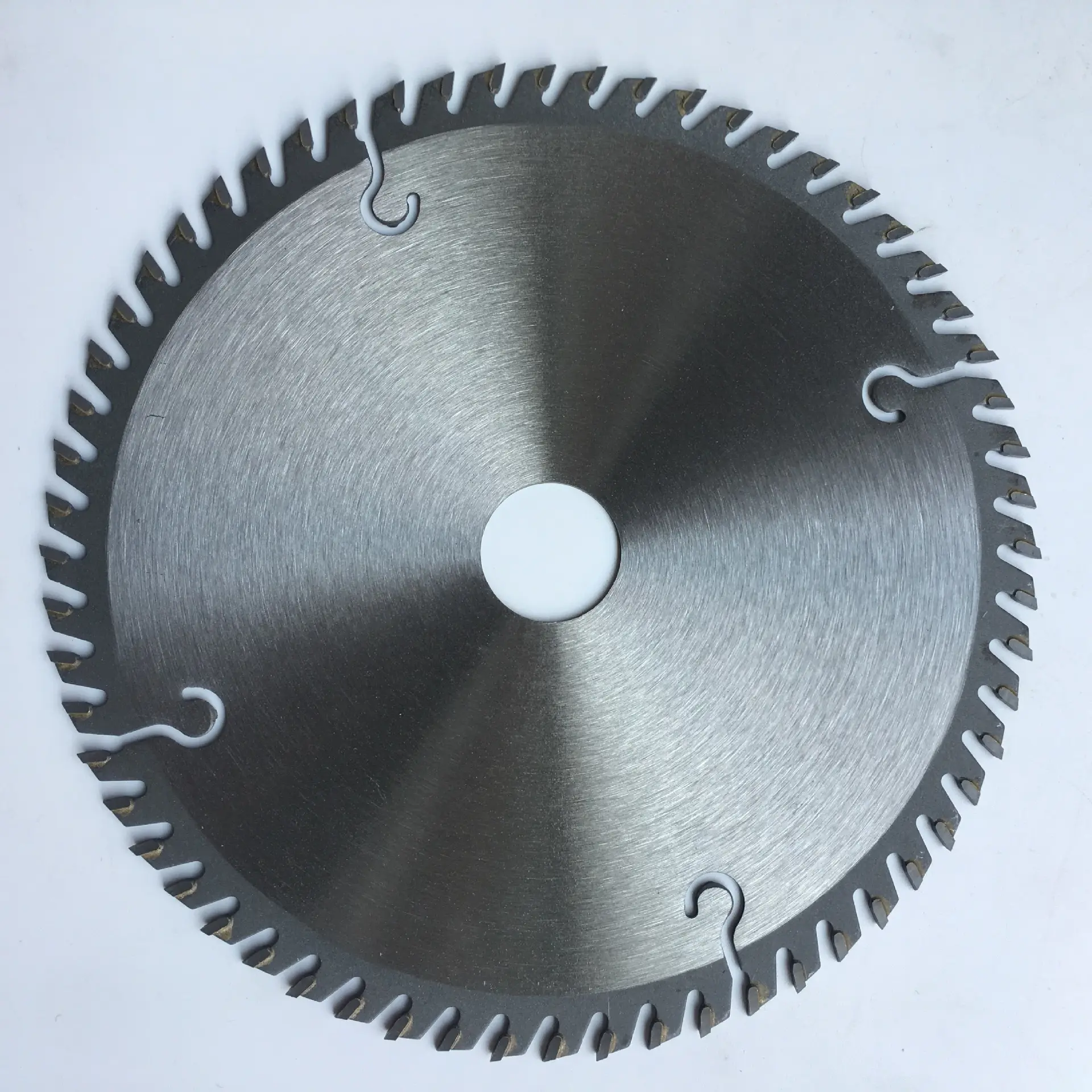
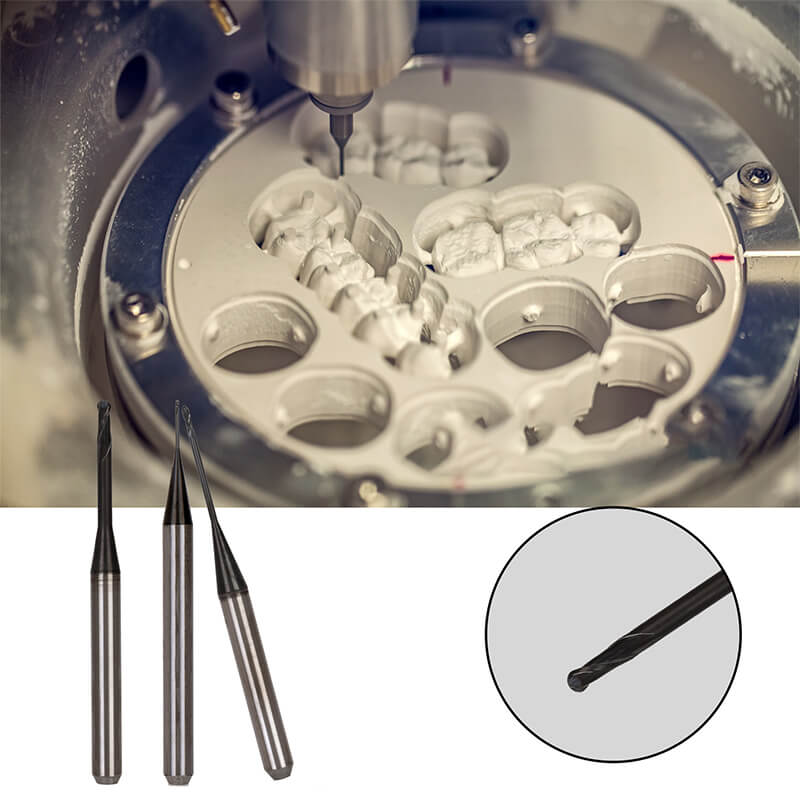
Woodworking router bits deliver high cutting efficiency and are widely applied in woodworking projects. Primarily fitted to routers, they are designed for milling and shaping wooden workpieces. Compatible with milling machines, these bits also excel at tenoning, profile shaping, carving, rabbeting and more. This article walks you through the diverse shapes, structural features and classifications of woodworking router bits.
Shapes & Structural Characteristics of Router Bits
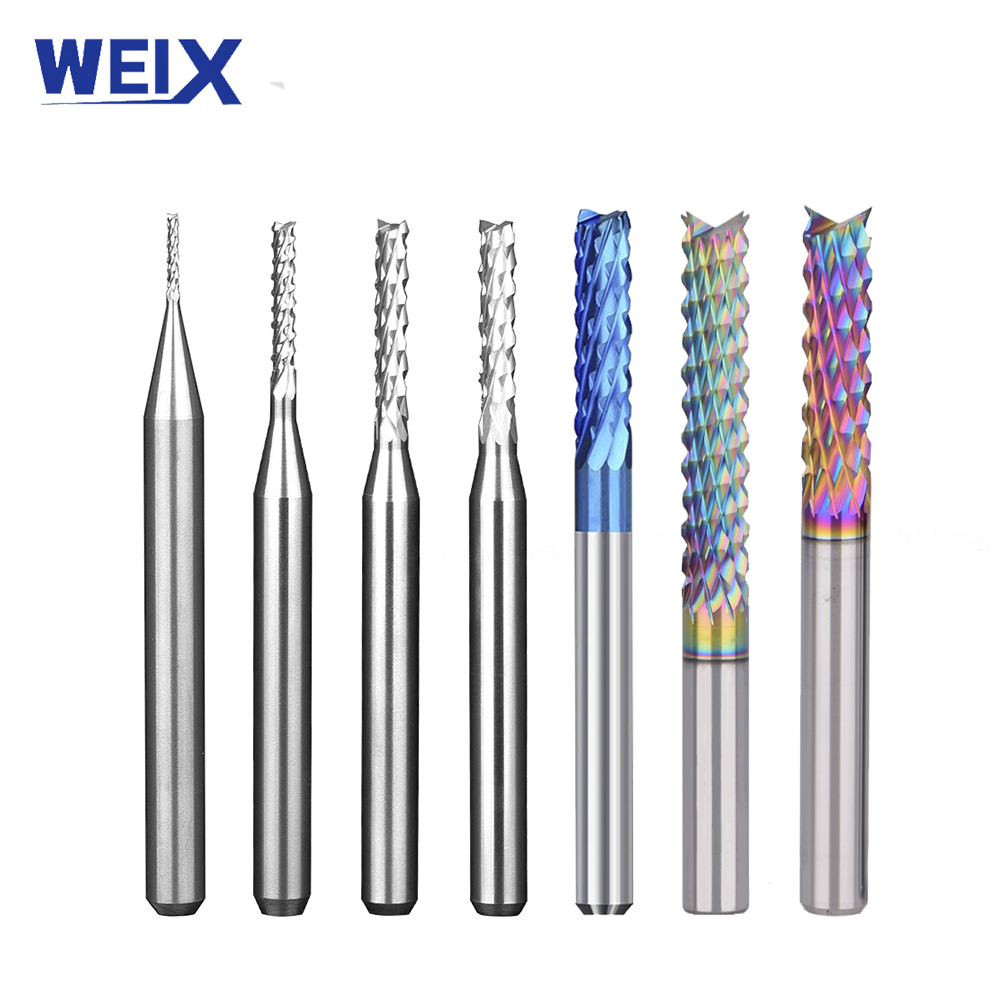
Woodworking router bits are mostly cylindrical or conical in shape, while custom-specialized rotary-shaped bits are also available to meet unique work demands. Structurally, their key feature lies in cutting edges distributed around the cutter body or on the end face — making them function like an integration of basic cutting tools.
That said, multi-functional router bits are not a one-size-fits-all solution for all cutting scenarios. Woodworking involves various processes such as drilling, milling and cutting; when milling different surfaces (holes, steps, flat planes), a single type of router bit far from suffices, which is why a wide range of router bit variants are available.
Main Classifications of Woodworking Router Bits
Router bits account for the largest variety of cutting tools in wood cutting and processing, boasting extensive applications. They are mainly categorized into four types by structure:
- Solid type: The cutter body and cutting edges are integrated into one piece.
- Solid welded-blade type: Blades are made of cemented carbide or other wear-resistant materials, then brazed firmly onto the cutter body.
- Inserted-tooth type: Cutting teeth are fixed to the cutter body via mechanical clamping. Replaceable teeth can be either solid or welded. For this type, bits with cutter heads mounted on the body are defined as internal sharpening type, while those sharpened via jigs are external sharpening type.
- Indexable type: This structure is widely adopted for face mills, end mills and three-edge mills, offering flexible and cost-effective usage.
Beyond shape and type, the material of router bits is the core factor determining performance. High-speed steel (HSS) was once the mainstream option, but carbide router bits have become the preferred choice nowadays. Featuring extended service life and superior cutting performance, carbide woodworking router bits are ideal for professional woodworking needs.
Feel free to contact us for your customized router bit requirements. contact us at info@weixtool.com today.
+86-18306105100|info@weixtool.com




Leave A Comment
You must be logged in to post a comment.